Developing learning resources and activities for students is only one part of D-CREDO. If the materials are to be used in practice, educators also need support in bringing them into their own teaching. This is the idea behind the D-CREDO Train-the-Trainer (TTT) learning units.
The TTT units build directly on the student learning units developed within the project. Their aim is not to teach educators about digital health technologies, but to help them understand, use and adapt the D-CREDO materials for their own educational settings. This includes guidance for implementing learning activities, adapting materials to different learner groups and curricula, and reflecting on how digital tools can be integrated into clinical reasoning education.
From the original plan to a more flexible structure
As development started, we soon realised that the original concept needed some adjustment. The initial blueprint planned to combine faculty development on teaching in several student learning units into broader TTT units. In practice, however, the topics did not always fit together naturally in the planned combinations.
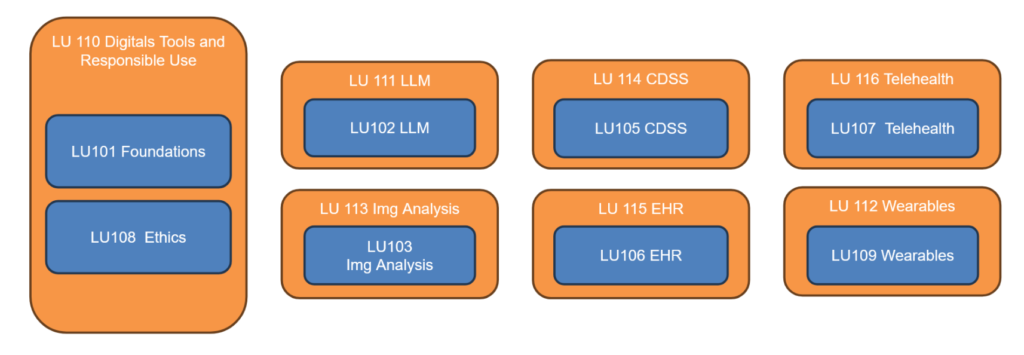
We therefore moved towards a more modular and flexible approach. Wherever possible, each student learning unit now has a corresponding TTT unit. The exception is the introductory unit, which combines the foundations and responsible use of digital tools. This structure means that educators can choose the TTT units that are relevant for the student units they actually want to use, without having to work through unrelated topics.
Developing the units alongside the student curriculum
We also adapted the way we organised the development work. Instead of creating a separate working group for every TTT unit, a core TTT team worked across the units and consulted the leads of the corresponding student learning units whenever their input was needed.
This gave us a more agile way of working. Importantly, we did not have to wait until the complete student curriculum was finished before starting the TTT development. Work could begin while the student units were still being developed, and the core team could move between topics depending on which student learning units were ready. Once a student unit reached a sufficiently developed stage, work on its corresponding TTT unit could move forward. The development and review therefore happened in parallel, with completed units being shared with the consortium for feedback and then further refined. The face-to-face meeting in Hall in Tirol in June 2026 also gave the team an opportunity to align the ongoing development and review work.
Supporting educators, not just providing more content
Another important decision was what the TTT units should actually teach. Rather than creating another set of courses explaining digital health technologies, the focus is on how educators can use the D-CREDO resources in their own teaching.
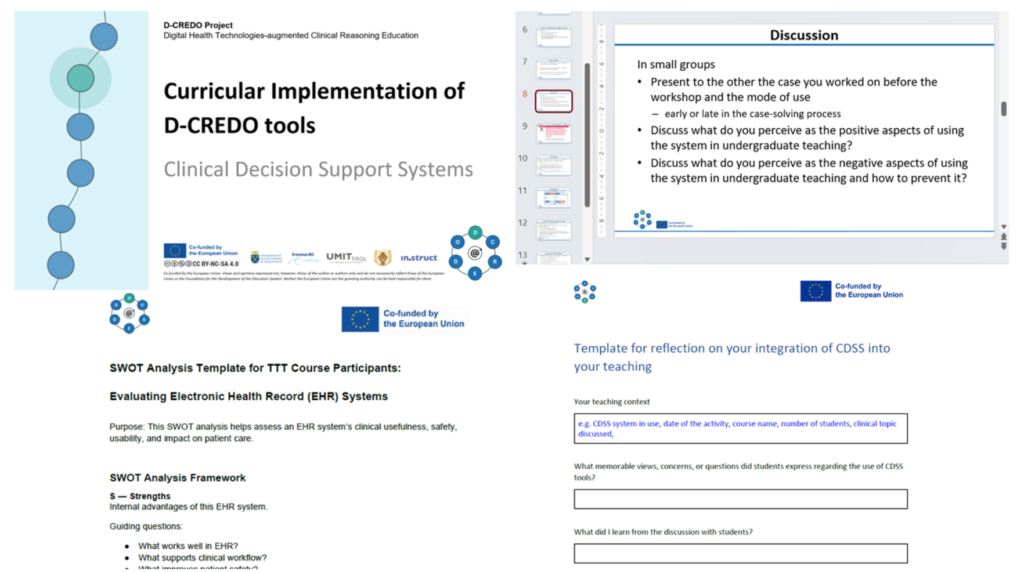
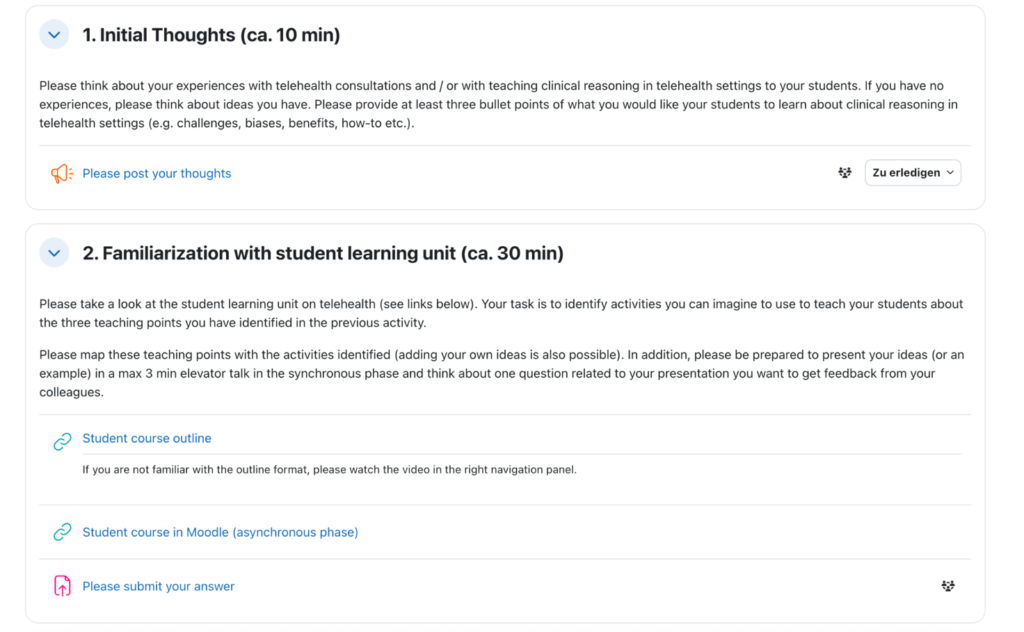
Educators are encouraged to explore the student learning units from a teacher’s perspective, think about the needs of their own students, and consider how the activities, virtual patients, self-study instructions, group activities, assessments and other materials could be adapted to their context. The TTT units therefore include resources such as reflection prompts, implementation templates and guidance for planning teaching activities.
This also makes the TTT units relevant across different health professions. The materials were reviewed from a nursing perspective, but no separate nursing versions were needed because the TTT units focus mainly on educational implementation rather than profession-specific clinical content.
Seven learning units ready for the next step
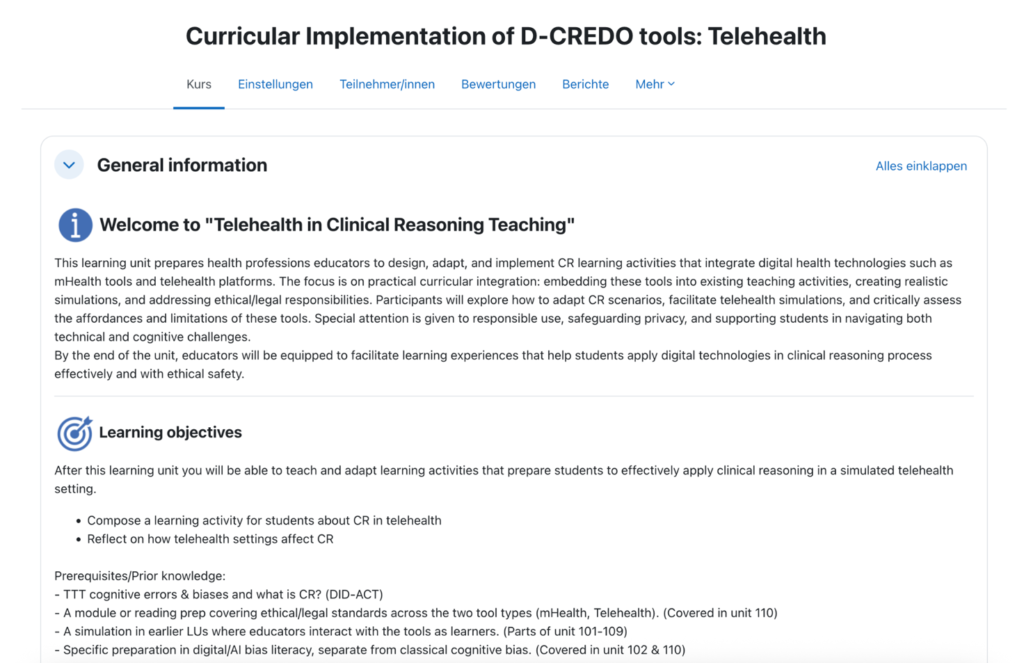
This process resulted in seven TTT learning units, covering the role and responsible use of digital tools in clinical reasoning teaching, generative AI, telehealth, clinical decision support systems, electronic health records, AI in image analysis and wearables. Together, they provide around 20.5 hours of faculty development activities. The learning units have now been implemented in the D-CREDO Moodle environment, where educators can work through the materials and access additional resources for facilitating synchronous activities. The next step will be to put them into practice. The TTT learning units will be piloted with educators and then further refined based on their feedback.
For anyone interested in learning more about the development of the Train-the-Trainer learning units, the full D3.3 Deliverable Report is available in the Results section of the D-CREDO website.
Stay connected with D-CREDO and follow our journey on LinkedIn for more updates, insights, and stories.